Why one House isn’t enough
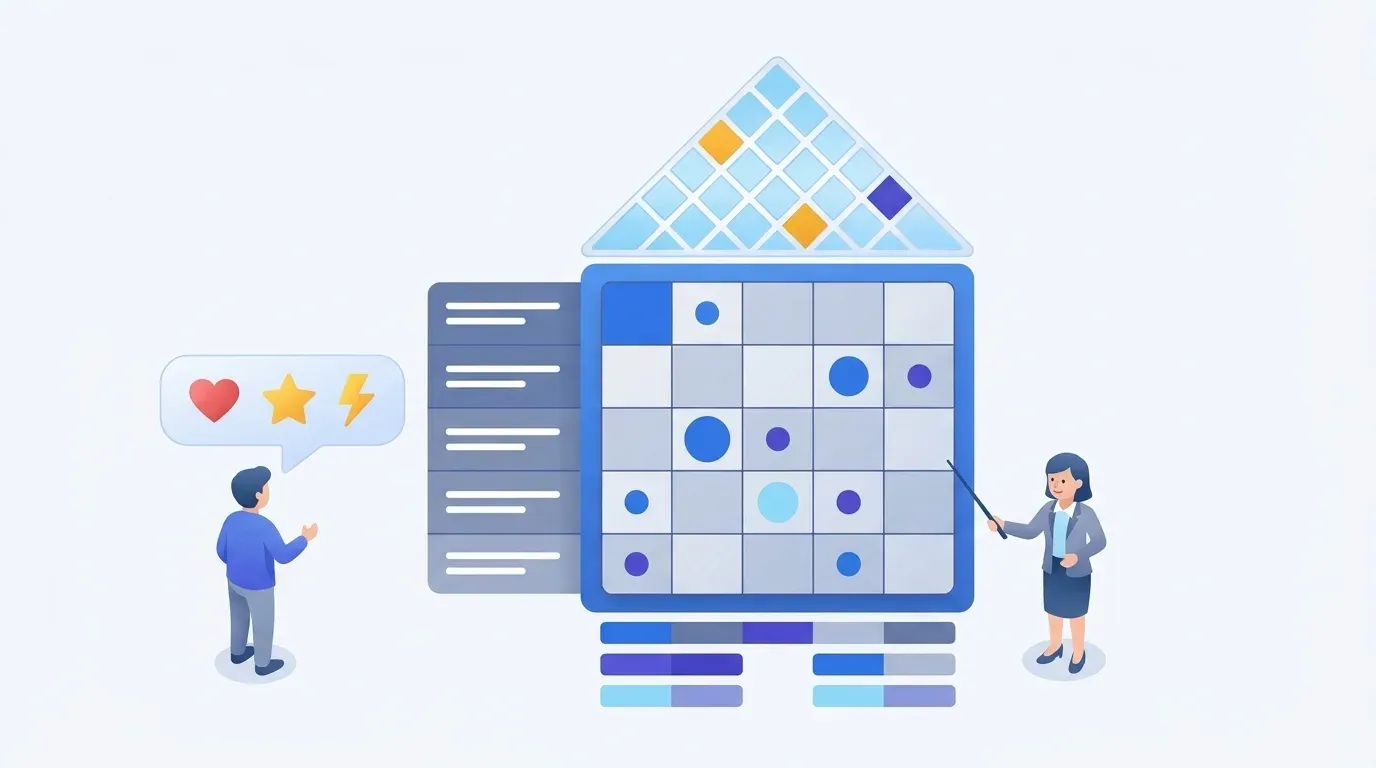
A single House of Quality translates customer needs into product characteristics and ranks them. That’s a big step, but it stops at the product level. The people who choose tube suppliers, write welding procedures and set inspection plans still have to guess which oftheir decisions matter to the customer. Usually they guess “all of them, equally”, which means the tolerances that matter get the same attention as the ones that don’t.
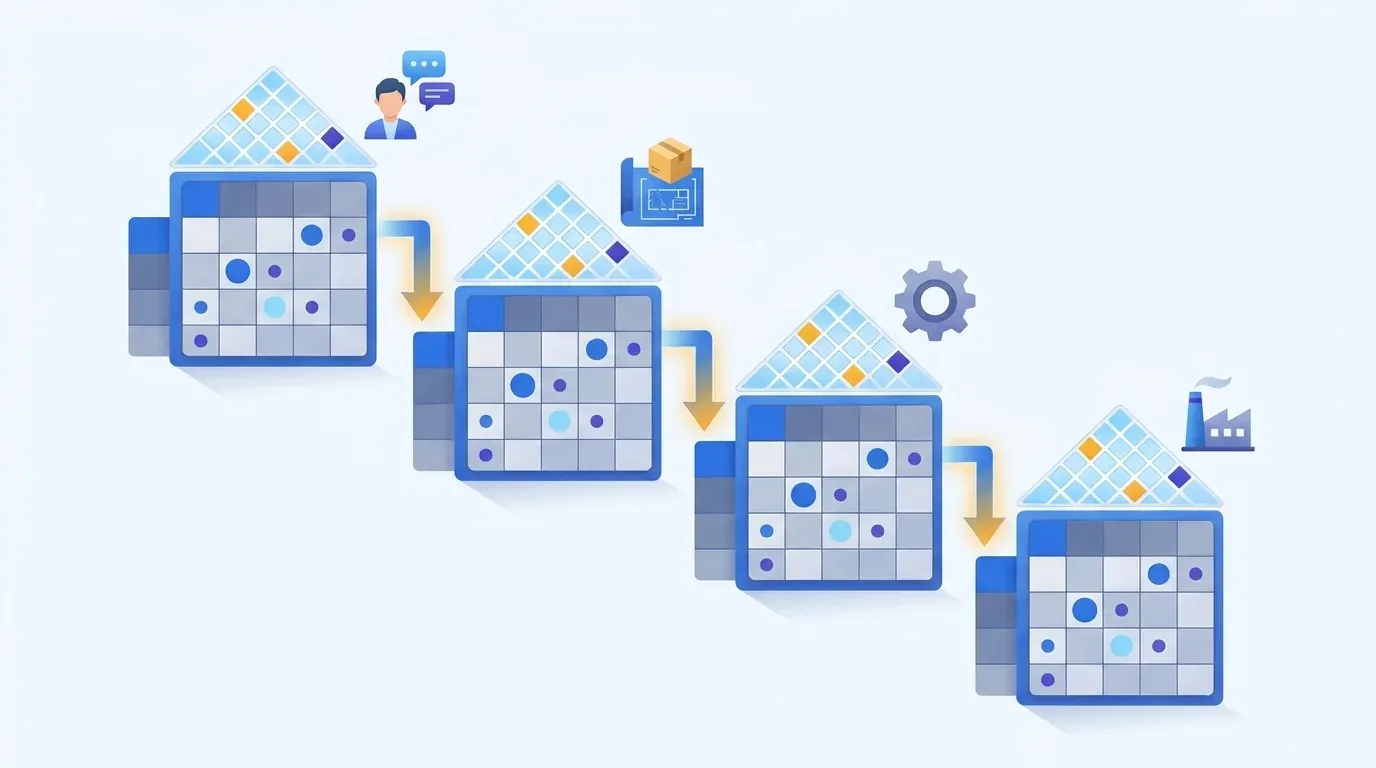
Multi-stage QFD fixes this by chaining Houses together. The output of one House — its most important characteristics, with their weights — becomes the input of the next. The classic version has four phases:
- Product planning: customer needs → product characteristics.
- Part deployment: product characteristics → part characteristics.
- Process planning: part characteristics → process parameters.
- Production planning: process parameters → production controls.
Four is a convention, not a rule. In QFD Tool you set the number of stages and name them yourself: two are plenty for a course project, a complex system might need five.
One thread through four Houses: a city bike
Here’s how a single customer wish travels through the chain. The customers are commuters who live in apartment buildings, and one thing they say over and over is that they have to carry the bike upstairs.
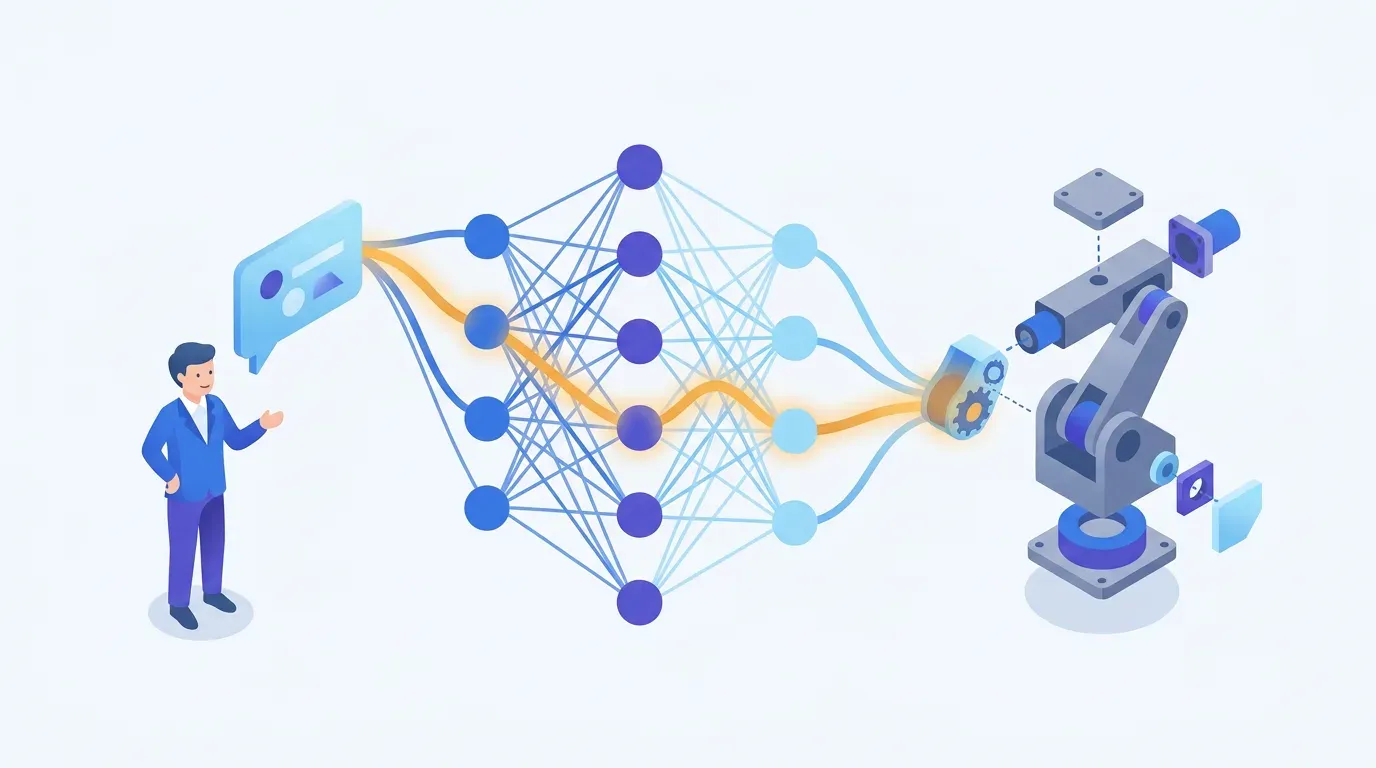
Why does a carrying complaint end up at the welding machine? Because the cheapest way to cut frame mass is thinner tube walls, and thin walls are easy to burn through or weaken with too much heat. So the weld heat input window — something no commuter has ever heard of — inherits a share of the weight of “light enough to carry upstairs”. The welding shop now knows this parameter is critical, and why.
How the hand-off between stages works
In QFD Tool you don’t copy anything between stages. The requirements of stage 2 are the characteristics of stage 1 — literally the same items, with the priorities stage 1 calculated for them. Each stage has a threshold: characteristics whose percentage priority is below it don’t move on.
In the bike example, frame mass might earn 18% of the stage 1 priority and bell volume 2%. With a 5% threshold, frame mass travels down to the tubes, and the bell stays where it belongs. Nobody in the welding shop needs to think about the bell.
Each stage is a full House of Quality in its own right: its own relationship matrix, roof, competitor and technical benchmarks, implementation difficulty and conflicts. Conflicts often show up only deeper in the chain — thinner walls versus dent resistance, say — and land in the same ranked conflicts list as the first stage.
When the customer changes their mind
A month into the project, a second survey comes in. The commuters live in a rainy coastal city, and rust bothers them more than weight. “Doesn’t rust through the winter” goes up in importance.
The flip side is worth knowing: since downstream requirements aren’t stored copies, deleting a characteristic in stage 2 also removes it from stage 3. The chain can’t drift out of sync — and it can’t keep a requirement whose parent no longer exists.
When to go multi-stage
One House is enough for an early concept, a service design, or a course assignment. A chain earns its keep when decisions are made by different people far from the customer: part suppliers, process engineers, the production floor.
- Hardware with outsourced parts. The supplier gets a spec with priorities attached, not just a drawing.
- Products where the process is the product. In welding, molding or coating, the quality the customer feels is set by process parameters.
- Projects that will be reviewed. A chain gives every process parameter a documented reason to exist.
Reading the chain from the bottom up
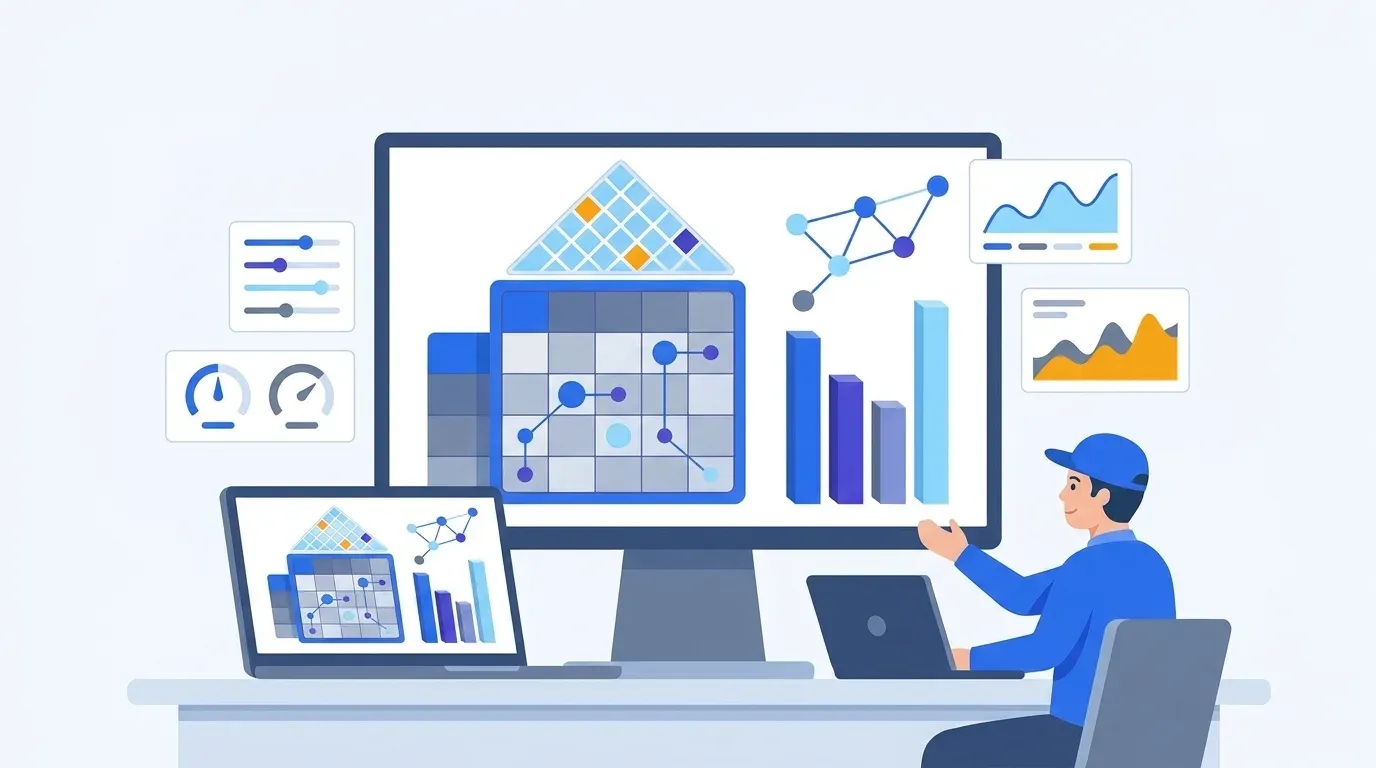
The bike example went top-down: from a customer wish to a welding window. Real questions often go the other way — “this tolerance is expensive, who actually needs it?” That’srequirement traceability: QFD Tool spreads each last-stage parameter’s priority back through the chain and shows how much every customer need contributes to it. If you’re new to the method, start with the QFD overview.
Chain your first two Houses
The free plan includes two stages — enough to see characteristics turn into next-stage requirements. Pro removes the limits on stages, requirements and characteristics.
Start free